GPS signals reach the ground weaker than the background noise. Receivers only find them by knowing exactly what to listen for. That’s also why they’re so easy to drown out.
Signals at the noise floor
{Paragraph explaining received power, spreading codes and correlation, in plain English.}
What a jammer does
{Paragraph on how jamming raises the noise floor, and on the difference between jamming and spoofing.}
What it looks like to a filter
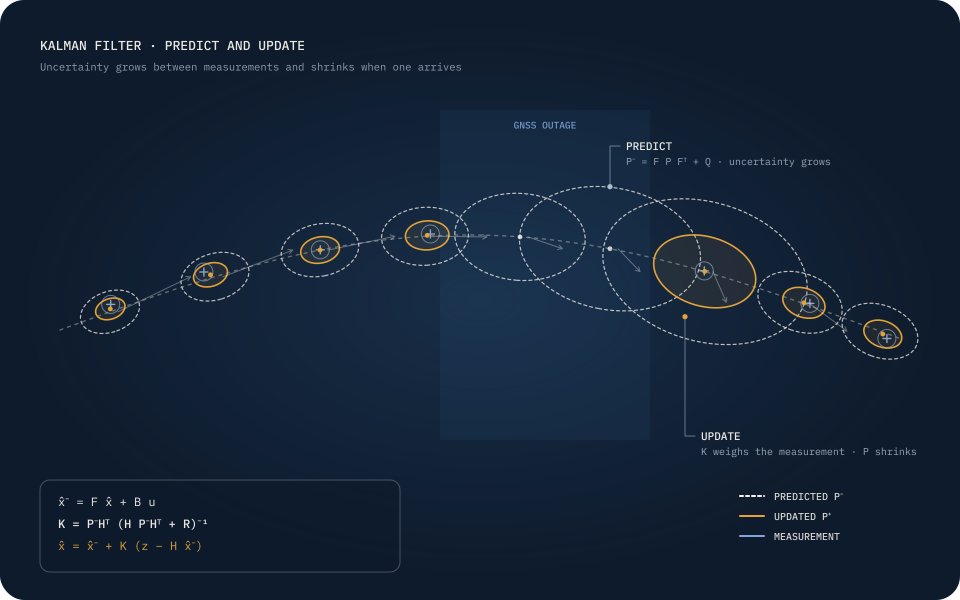
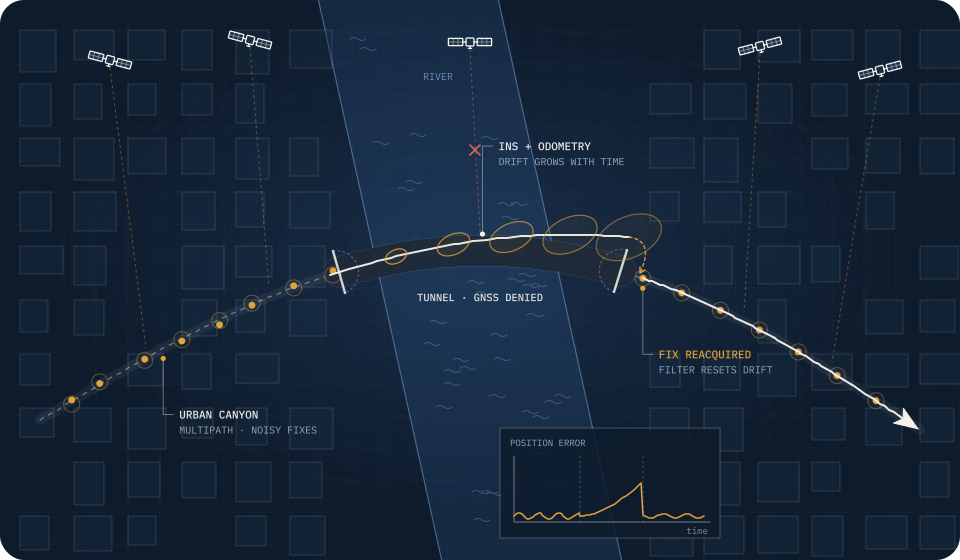
{Paragraph on measurement updates stopping and uncertainty growing.}
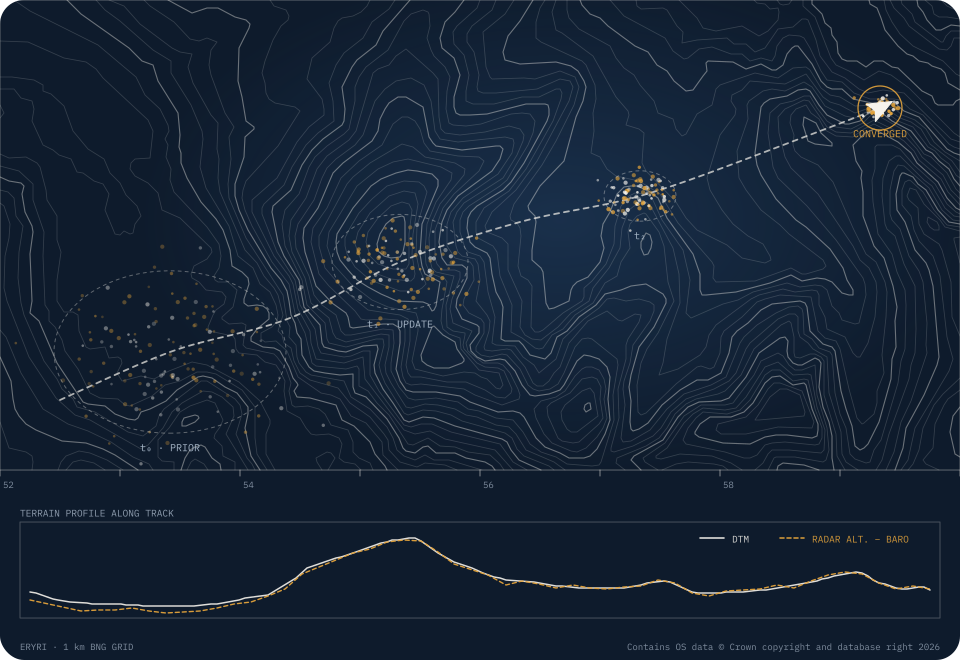
# resample particles in proportion to their weights
idx = rng.choice(N, size=N, p=weights)
particles = particles[idx]
weights.fill(1.0 / N)
A navigation system is only as good as its worst five minutes.
Defences
- Detect it: monitor signal power and consistency checks
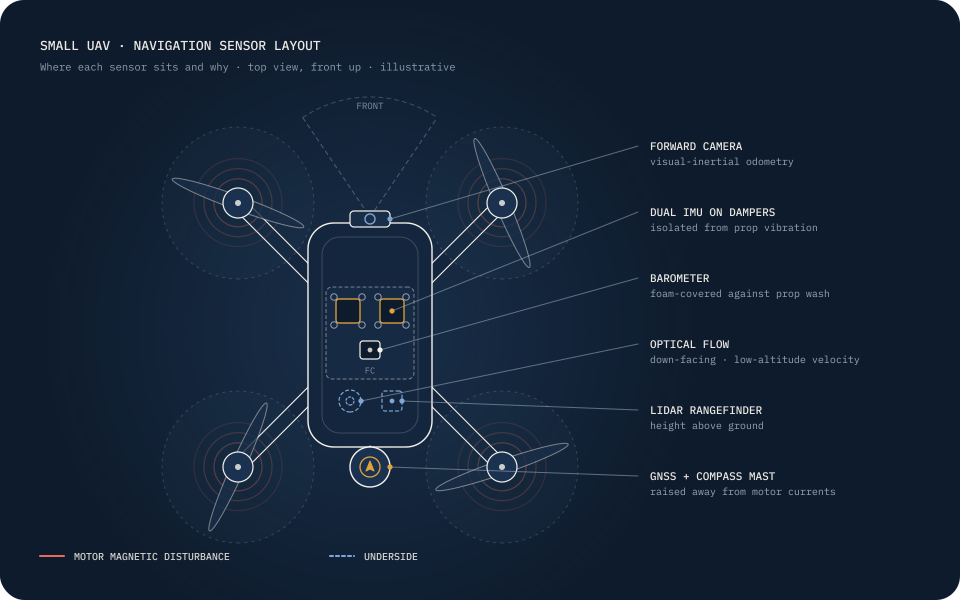
- Survive it: inertial, magnetic or visual aiding
- Recover: re-acquire safely and reject spoofed fixes
Key takeaways
{Short summary paragraph and a link to the resilience audit.}